1. Hard surfaces
Glass, metal, sealed wood and plastic are cleaned with products matched to the agent.
Coquille, OR · Coos County
Are tenants, pets or staff in Coquille unable to return because of irritant residue? Call (877) 812-4220. Cleaners decontaminate surfaces and document the work for landlords and insurers.
If anyone is in danger, call 911 first. For a suicide crisis, call or text 988.
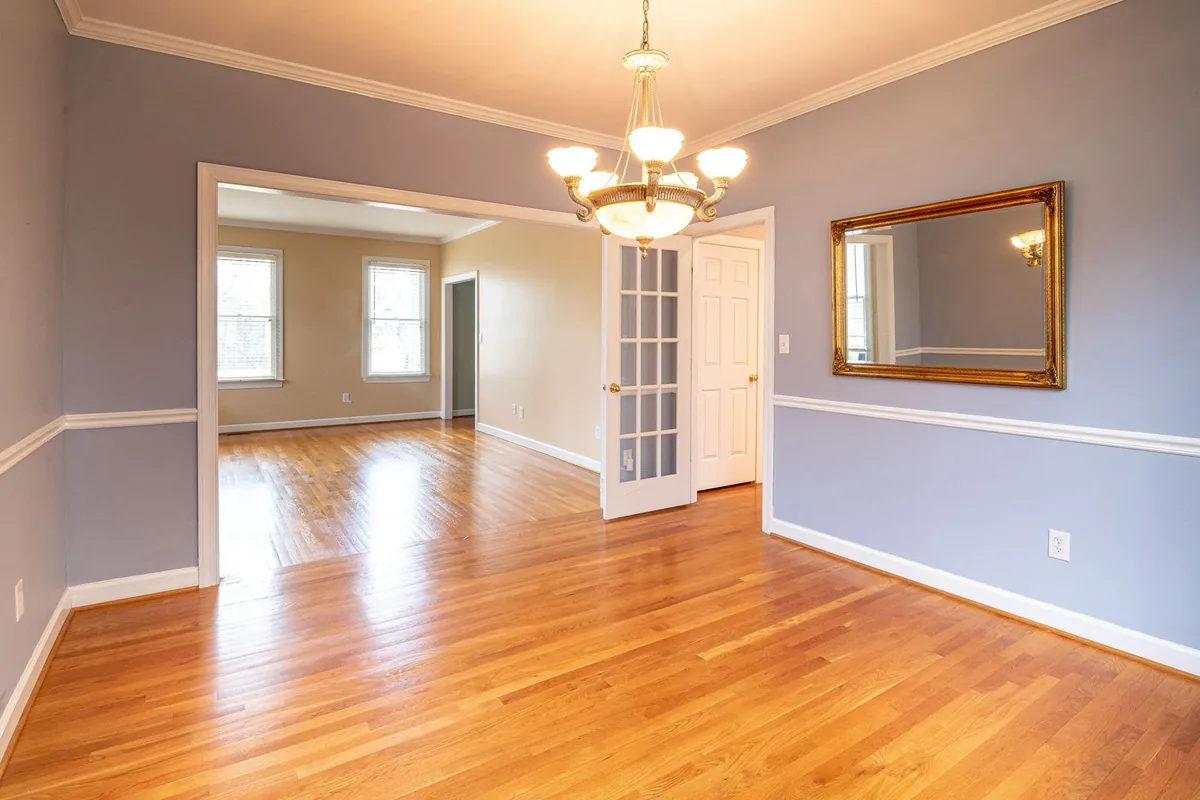
Irritant agent cleanup is the work that begins when emergency response ends. It removes the particles that cause burning eyes, coughing and skin irritation so people can return safely.
When you need tear gas clean up in Coquille, Coos County, ask Coquille Biohazard Cleanup Help for help. Residue gets removed, waste gets disposed of safely and you receive records for insurers or landlords.
July highs near 72 degrees in Coquille are milder, but heating and cooling systems still move residue through ducts. About 10% of housing in Coos County is vacant, so owners living elsewhere can get tear gas cleanup started by phone through a key holder.
A typical tear gas & pepper spray cleanup job includes:
Glass, metal, sealed wood and plastic are cleaned with products matched to the agent.
The area is sealed, the air system is shut down and isolated, and the crew works in protective gear.
Hard surfaces are decontaminated, soft goods are treated or removed and the air system is cleaned.
A last inspection and air treatment confirm the space is ready, and the owner receives an explanation of the work.
Most tear gas & pepper spray cleanup jobs in Coquille, OR cost between $1,500 and $50,000, based on published cost guides.
A business that must reopen quickly or a rental that must be turned over can require a different work plan and schedule.
| Type of job | Typical range |
|---|---|
| Single-family home | $3,000 - $10,000+ |
| Commercial property | $10,000 - $50,000+ |
| Small apartment | $1,500 - $4,000 |
Published ranges only (Tear gas cleanup cost guide); every tear gas & pepper spray cleanup job in Coquille is priced after an on-site look. Price drivers include property size, air system involvement, materials affected, time since exposure. Questions? Call (877) 812-4220.
Rules for hazardous residue vary by state, county and city. Waste may need special handling and cannot always go in the regular trash. Ask the local health department or fire department what applies.
If the heating or cooling system ran, it may have pulled irritant particles into vents and ducts and moved them to other rooms. Crews isolate and clean the system so residue does not spread again.
Do not hose it down or wipe it around. Particles and oil spread when disturbed. A professional crew uses protective gear, lifts residue from the surface and disposes of it as hazardous waste.
No. Water can spread residue or make irritation worse, and runoff can carry it into floors, walls and vents. Leave the area and keep others out, then call a cleanup team.
Ask the agency what records it can give you. A police report number is often useful for insurance. Cleanup can start once the agency says the property can be entered.
Cleanup can be done discreetly. Ask about unmarked vehicles and quiet work practices when you call. Crews do not discuss the job with others.
One call starts the process, and no details are required up front.
Call (877) 812-4220